
Press releases
Please read more in our news sections
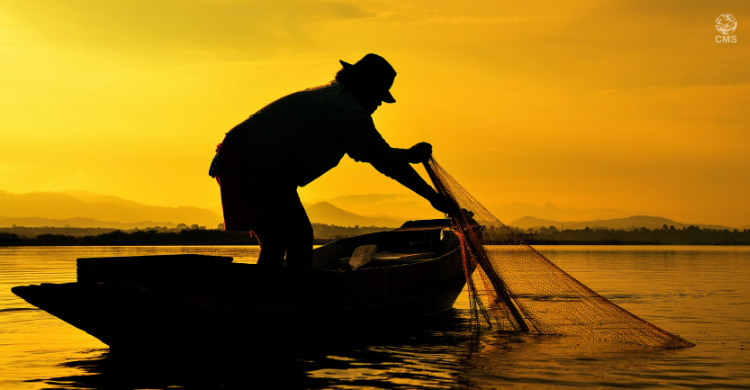
Le traité des Nations Unies sur les espèces sauvages publie de nouveaux rapports sur l'importance de la conservation menée par les communautés
Selon deux rapports importants publiés par la Convention sur la conservation des espèces migratrices appartenant à la faune sauvage (CMS), un traité mondial des Nations Unies sur les espèces sauvages, les stratégies de conservation menées par les communautés peuvent être déterminantes pour garantir la conservation des espèces migratrices.
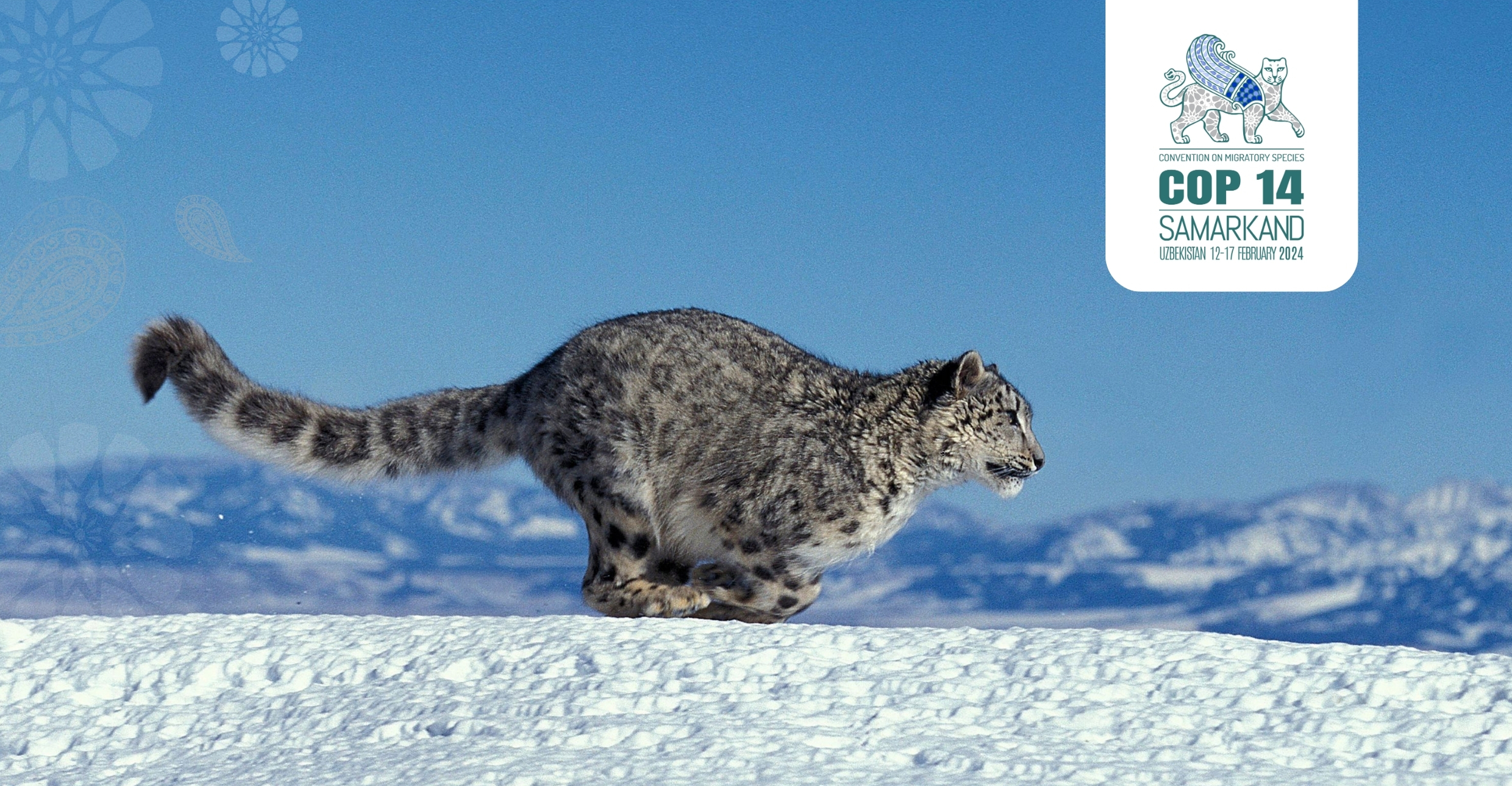
Историческая встреча ООН увенчалась утверждением масштабного списка действий, необходимых для сохранения мигрирующих видов диких животных
Самарканд, 17 февраля 2024 года - На 14-м заседании Конференции сторон (КС14) Конвенции по сохранению мигрирующих видов диких животных (КМВ), прошедшей в Самарканде (Узбекистан), был принят ряд новых решений по сохранению мигрирующих видовСреди согласованных мер: включение 14 видов в сферу действия Конвенции, в том числе евразийской рыси, манула и песчаной тигровой акулы. Были приняты и другие меры по охране таких видов, как шимпанзе и жираф.
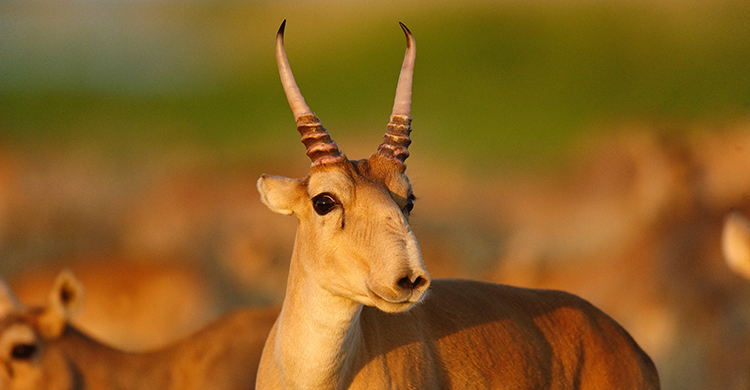
De nouvelles mesures de conservation internationales ont été convenues pour les antilopes saïga
Le Kazakhstan, la Mongolie, la Fédération de Russie et l’Ouzbékistan ont convenu de nouvelles mesures de conservation conjointes pour préserver l’antilope saïga dans le cadre de la Convention des Nations Unies sur la conservation des espèces migratrices appartenant à la faune sauvage (CMS).
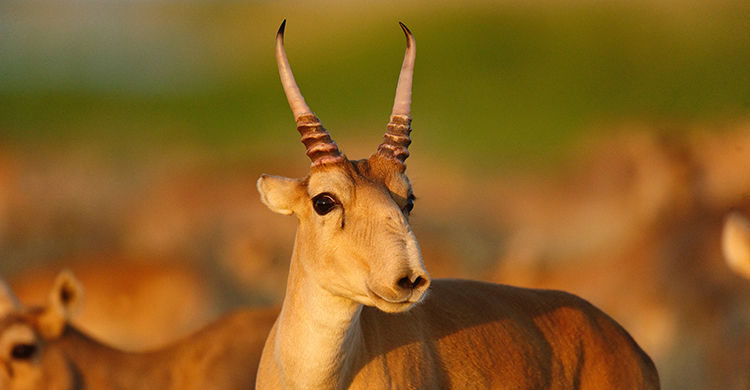
Согласованы новые международные меры по сохранению антилопы сайги
Казахстан, Монголия, Российская Федерация и Узбекистан согласовали новые совместные меры по сохранению сайгака в соответствии с Конвенцией Организации Объединенных Наций по сохранению мигрирующих видов диких животных (КМВ). В течение следующих пяти лет Среднесрочная Международная Рабочая Программа по сайгаку (2021 – 2025 г.) обеспечит новую основу для сохранения и устойчивого использования этого вида на всей территории его ареала.
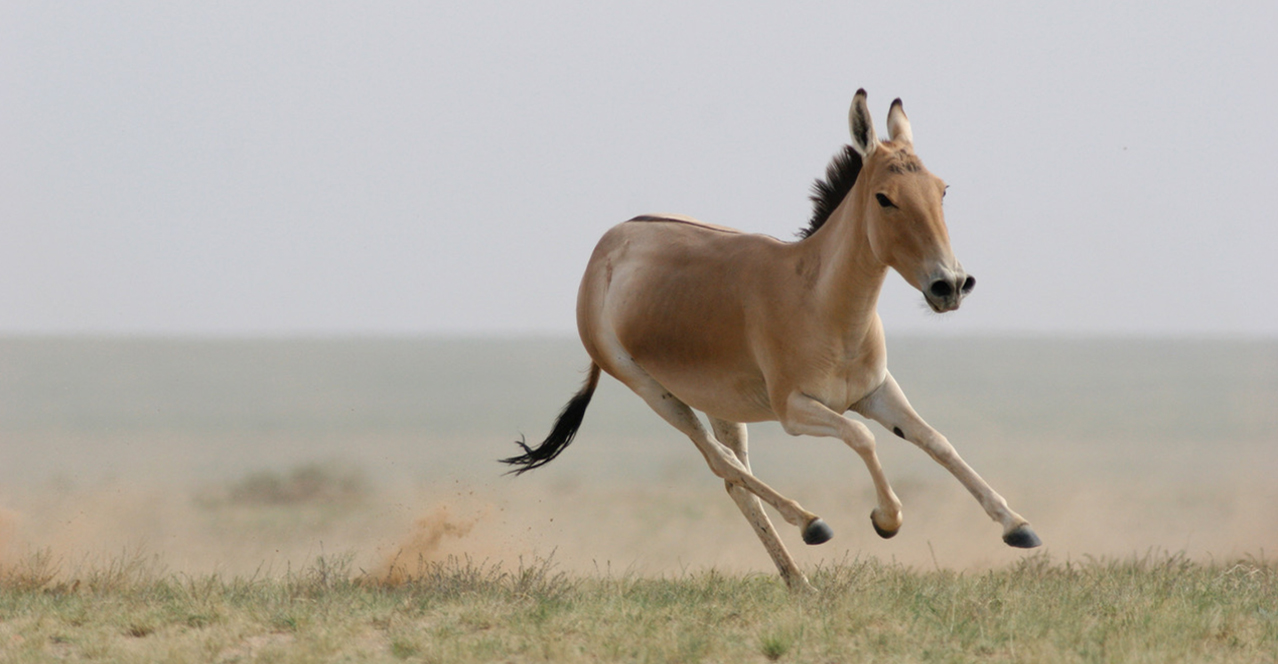
New Atlas Helps Remove Barriers to Animal Migration in Central Asia
The UN Convention on Migratory Species (CMS) has launched the Central Asian Mammals Migration and Linear Infrastructure Atlas to help ensure the survival of migratory wildlife in this important region. Featured in the Atlas are the Asiatic Cheetah, the Snow Leopard, as well as antelopes, deer, gazelles, wild horses and yaks which undertake long-distance journeys across the steppes, deserts and mountains of Central Asia to reach their feeding and breeding grounds.
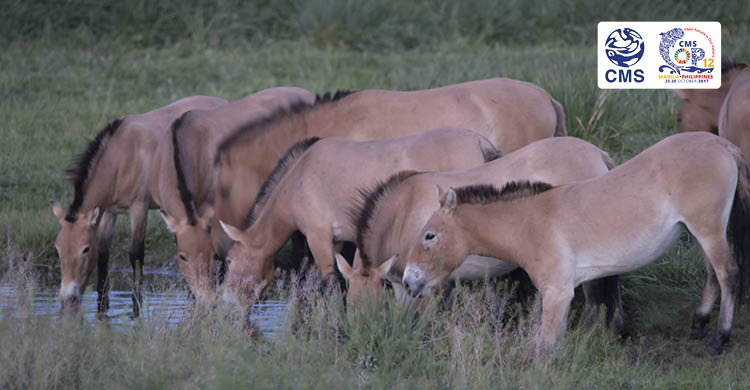
Two Rare Central Asian Mammals to be Given the Highest Protection under CMS
Dubbed the ‘Serengeti of the North,’ Central Asia stretches from the Caspian Sea in the west to China in the east and from Afghanistan in the south to Russia in the north. The vast deserts, semi‑deserts, grasslands and high mountains of Central Asia and adjacent regions, support some of the world’s last remaining large mammal migrations. Yet, unlike its African counterpart, it has been largely overlooked by conservation efforts.
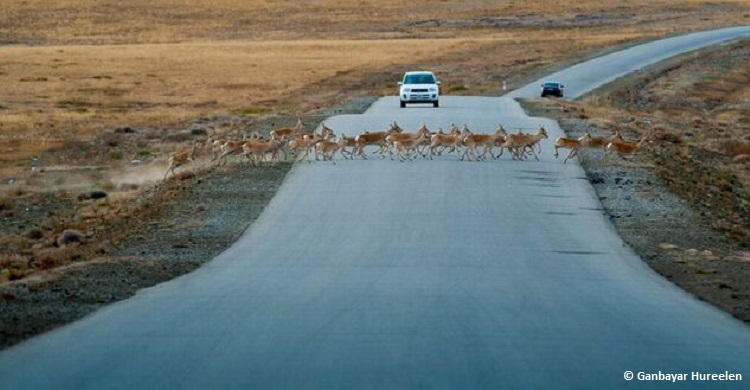
First Central Asian Migration Atlas Created to Reduce Harm to Wildlife from Infrastructure
Vilm, Germany (May 4, 2017)– Experts have for the first time mapped the distribution and movement corridors of migratory mammals in combination with threats from linear infrastructure, such as railways, roads, pipelines, and border fences, across the entire Central Asian region.
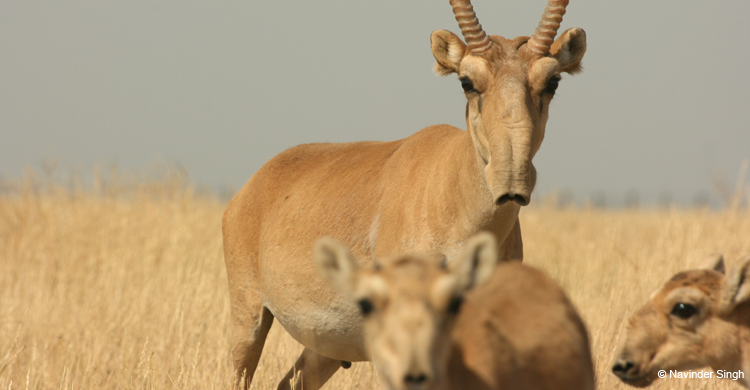
Signes d’espoir pour l’antilope saïga après une extinction massive en 2015
En mai 2015, une extinction catastrophique et sans précédent causée par une infection bactérienne a anéanti plus de 200.000 antilopes saïga en quelques semaines. La population de saïgas de Betpak-Dala, dans le centre du Kazakhstan, a perdu presque 90 pour cent de ses animaux, ce qui équivaut à plus de 60 pour cent de la population mondiale, laissant l’espèce dans une situation critique.

Les obstacles créés par l’homme causent l’extinction massive de la gazelle de Mongolie
Plus de 5.300 gazelles de Mongolie sont mortes l’hiver dernier le long de la voie ferrée du Transmongolien, en Mongolie. Cette information a été annoncée par un éminent scientifique de l’Institut de Biologie, Académie des Sciences de Mongolie, lors de la réunion du Comité de session du Conseil scientifique de la Convention sur la Conservation des Espèces Migratrices de la Faune Sauvage (CMS), qui s’est ouvert le 18 avril et s’achève aujourd’hui à Bonn, en Allemagne.
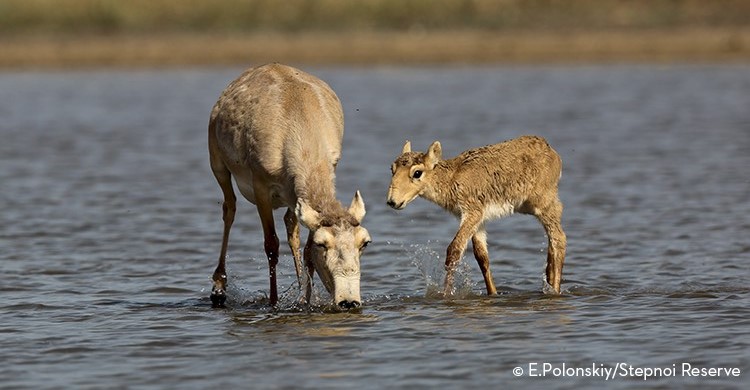
Countries Agree on Actions to Help Save Saiga Antelopes
Saiga Range Countries and Experts Convene in Tashkent Following Saiga Mass Mortality Event