
Press releases
Please read more in our news sections

El tratado de la ONU sobre Vida Silvestre publica nuevos informes sobre la importancia de la conservación liderada por comunidades
Las estrategias de conservación lideradas por comunidades pueden ser fundamentales para la conservación exitosa de especies migratorias, según dos informes clave publicados por la Convención sobre la Conservación de las Especies Migratorias de Animales Silvestres (CMS), un tratado mundial sobre vida silvestre de la Organización de las Naciones Unidas.
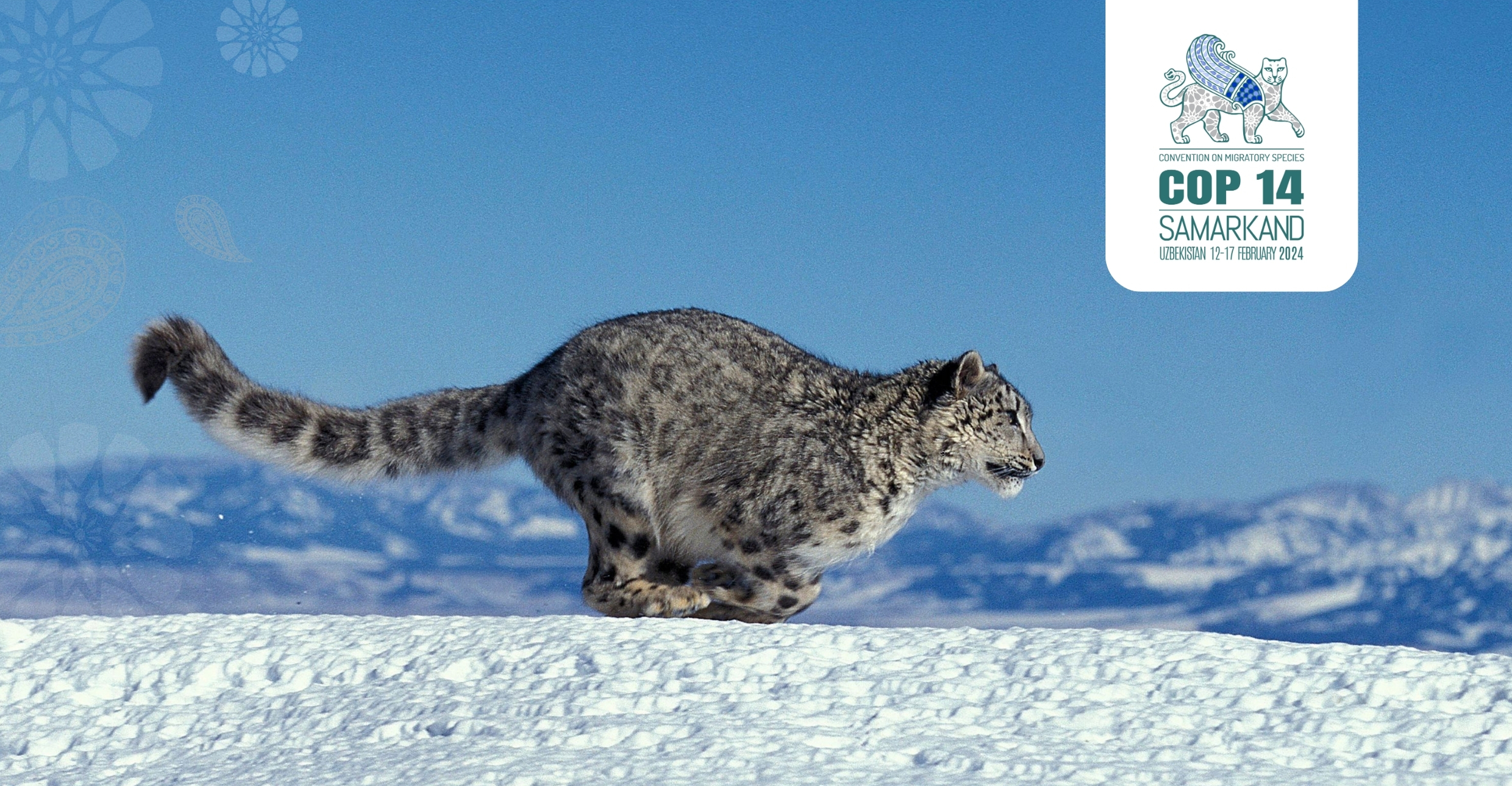
Историческая встреча ООН увенчалась утверждением масштабного списка действий, необходимых для сохранения мигрирующих видов диких животных
Самарканд, 17 февраля 2024 года - На 14-м заседании Конференции сторон (КС14) Конвенции по сохранению мигрирующих видов диких животных (КМВ), прошедшей в Самарканде (Узбекистан), был принят ряд новых решений по сохранению мигрирующих видовСреди согласованных мер: включение 14 видов в сферу действия Конвенции, в том числе евразийской рыси, манула и песчаной тигровой акулы. Были приняты и другие меры по охране таких видов, как шимпанзе и жираф.
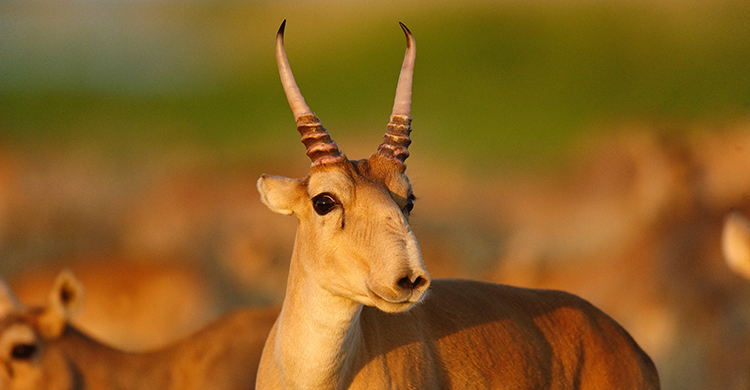
Acuerdo de Nuevas Acciones Internacionales de Conservación del Antílope Saiga
Kazajistán, Mongolia, la Federación Rusa y Uzbekistán han acordado nuevas medidas de conservación conjuntas para conservar el antílope saiga en el marco de la Convención de las Naciones Unidas sobre la Conservación de las Especies Migratorias de Animales Silvestres (CMS). Durante los próximos cinco años, el programa de trabajo internacional para el saiga proporcionará un nuevo marco para conservar y utilizar de forma sostenible la especie en toda su área de distribución migratoria.
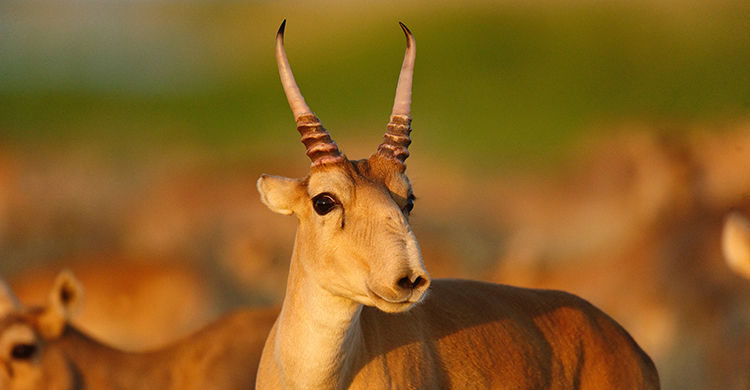
Согласованы новые международные меры по сохранению антилопы сайги
Казахстан, Монголия, Российская Федерация и Узбекистан согласовали новые совместные меры по сохранению сайгака в соответствии с Конвенцией Организации Объединенных Наций по сохранению мигрирующих видов диких животных (КМВ). В течение следующих пяти лет Среднесрочная Международная Рабочая Программа по сайгаку (2021 – 2025 г.) обеспечит новую основу для сохранения и устойчивого использования этого вида на всей территории его ареала.
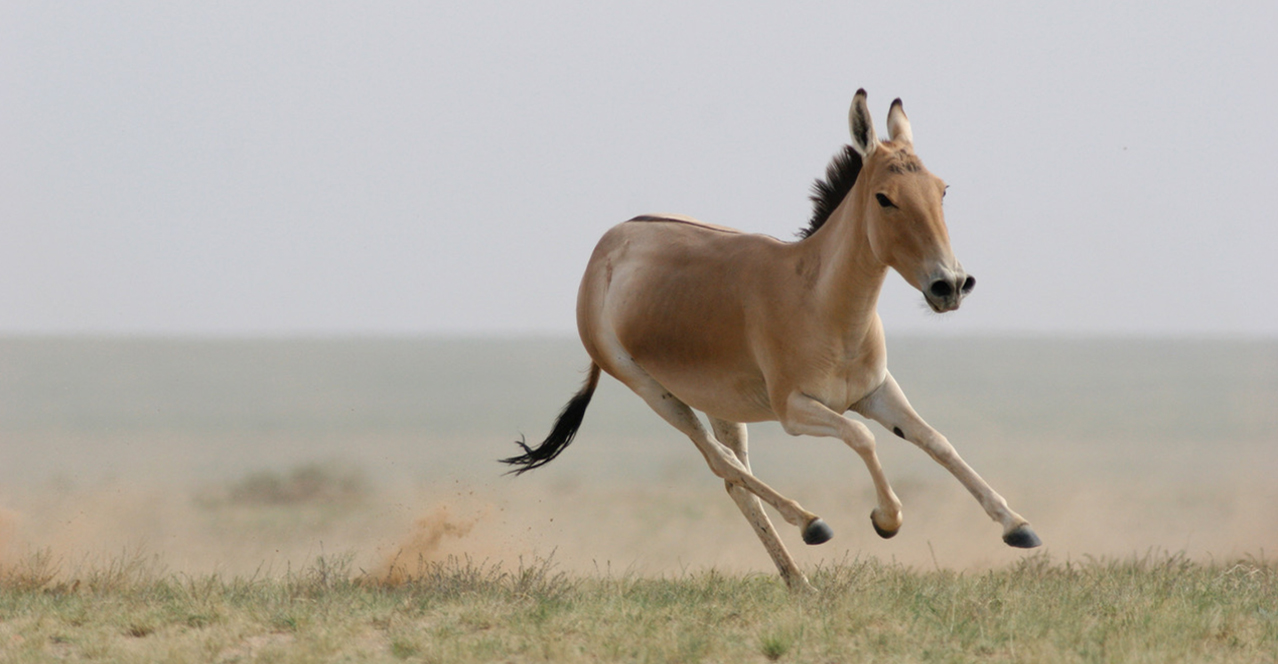
New Atlas Helps Remove Barriers to Animal Migration in Central Asia
The UN Convention on Migratory Species (CMS) has launched the Central Asian Mammals Migration and Linear Infrastructure Atlas to help ensure the survival of migratory wildlife in this important region. Featured in the Atlas are the Asiatic Cheetah, the Snow Leopard, as well as antelopes, deer, gazelles, wild horses and yaks which undertake long-distance journeys across the steppes, deserts and mountains of Central Asia to reach their feeding and breeding grounds.
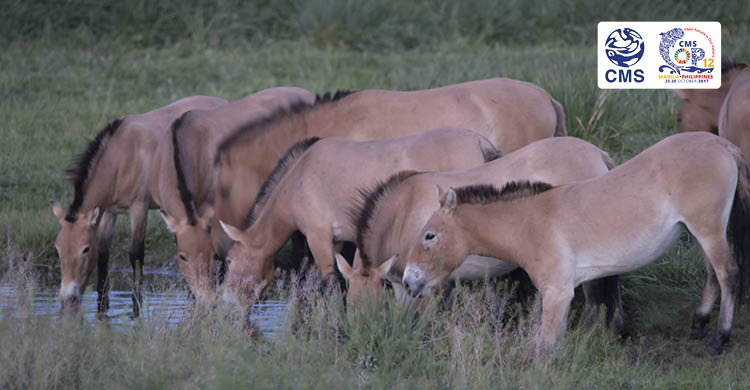
Two Rare Central Asian Mammals to be Given the Highest Protection under CMS
Dubbed the ‘Serengeti of the North,’ Central Asia stretches from the Caspian Sea in the west to China in the east and from Afghanistan in the south to Russia in the north. The vast deserts, semi‑deserts, grasslands and high mountains of Central Asia and adjacent regions, support some of the world’s last remaining large mammal migrations. Yet, unlike its African counterpart, it has been largely overlooked by conservation efforts.
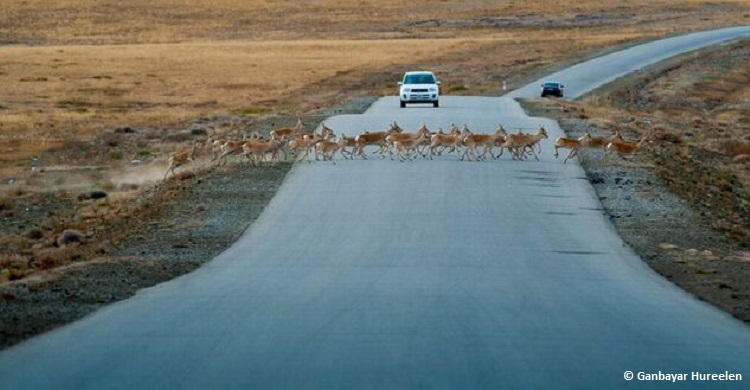
First Central Asian Migration Atlas Created to Reduce Harm to Wildlife from Infrastructure
Vilm, Germany (May 4, 2017)– Experts have for the first time mapped the distribution and movement corridors of migratory mammals in combination with threats from linear infrastructure, such as railways, roads, pipelines, and border fences, across the entire Central Asian region.
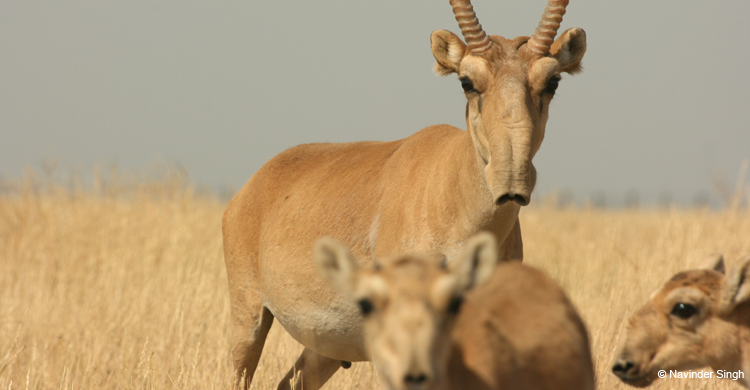
Signos de esperanza para el antílope saiga después de la mortandad masiva de 2015
En mayo de 2015, una mortandad catastrófica y sin precedentes causada por una infección bacteriana acabó con más de 200.000 antílopes saiga en pocas semanas. La población de saigas de Betpak-Dala en Kazajstán central perdió casi el 90% de sus animales, lo que equivale a más del 60% de la población mundial, dejando a la especie en una situación crítica. Actualmente, el Ministerio de Agricultura de la República de Kazajstán publicó los resultados de un censo aéreo, que se realizó en abril de 2016. Los datos del censo muestran un aumento del número de saigas en las tres poblaciones presentes en Kazajstán, el principal Estado del área de distribución de este antílope.

Obstáculos creados por el hombre causan una mortandad masiva de gacelas de Mongolia
Más de 5.300 gacelas de Mongolia murieron el invierno pasado a lo largo del ferrocarril transmongoliano en Mongolia.Esta noticia fue comunicada por un destacado científico del Instituto de Biología de la Academia de Ciencias de Mongolia en la reunión del Comité del período de sesiones del Consejo Científico de la Convención sobre la conservación de las especies migratorias de animales silvestres (CMS), que se inauguró el 18 de abril y se concluye hoy en Bonn (Alemania).
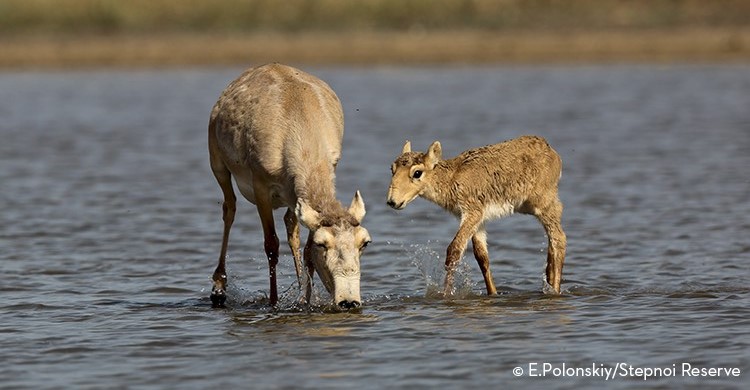
Countries Agree on Actions to Help Save Saiga Antelopes
Saiga Range Countries and Experts Convene in Tashkent Following Saiga Mass Mortality Event