New Protected Areas and a Breeding Facility to Conserve Jeyran in Uzbekistan
Authors: Khakimov Oktam, Adilov Sobitjon, Babaeva Zarifakhon (Navoi Department of the Academy of Sciences); Dilnoza Khurramova, Jaloliddin Mamanazarov (Central Kyzylkum National Nature Park).
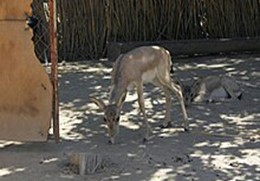
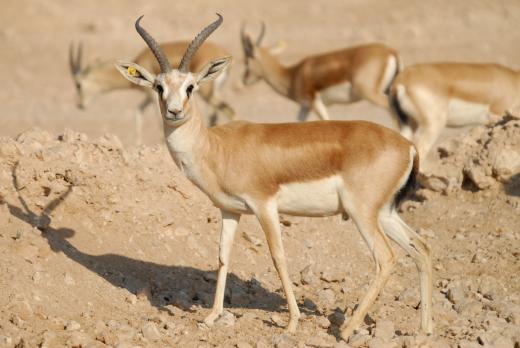
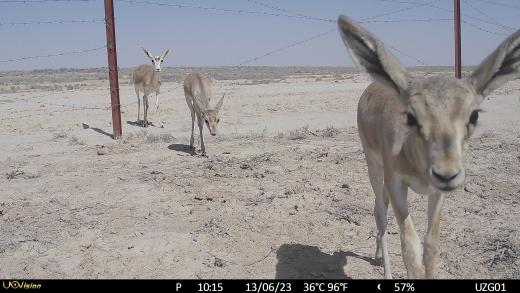
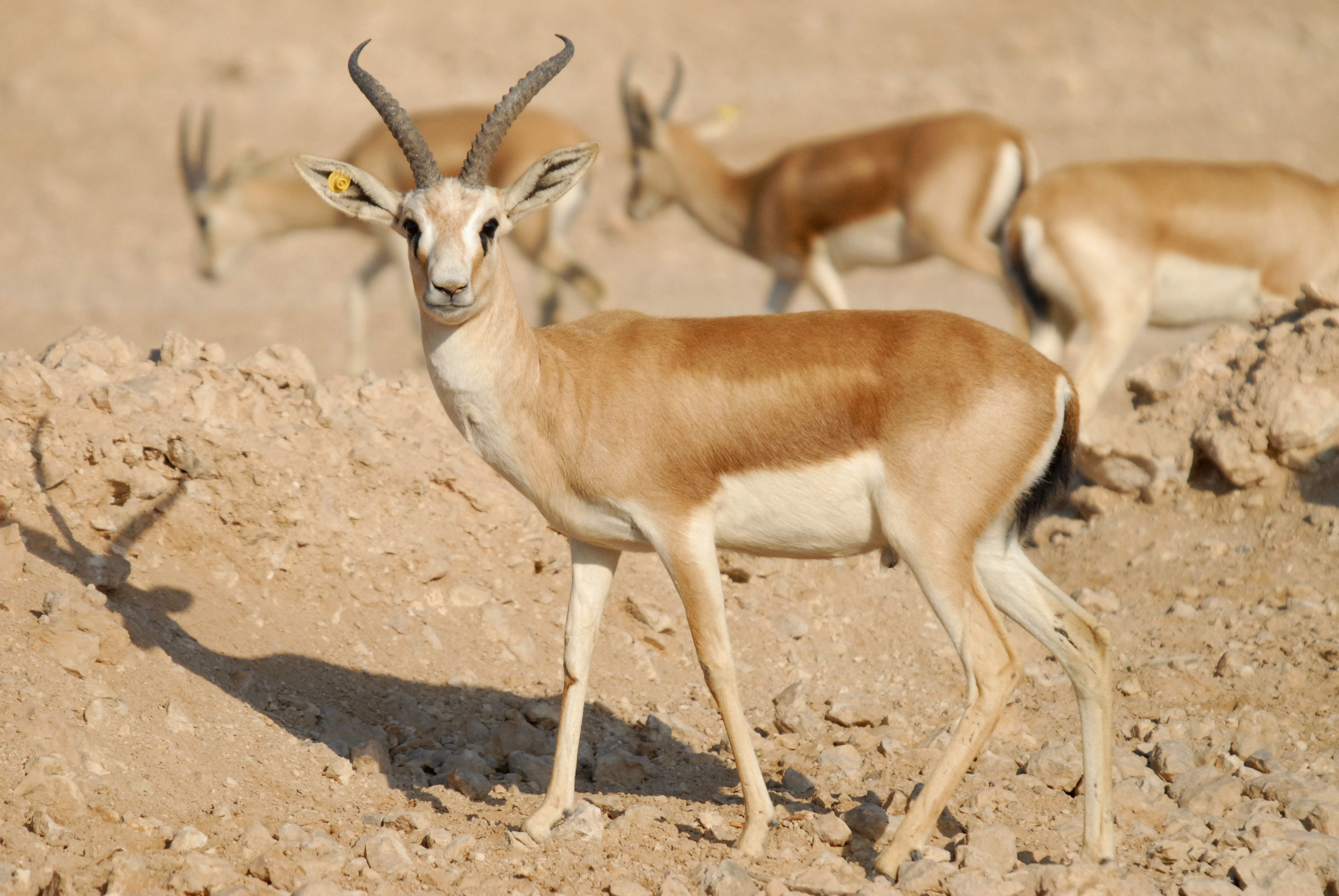
The Republic of Uzbekistan is undertaking efforts to contribute to the preservation of biological diversity in the Central Asian region. Goitered Gazelles, or Jeyran, are gazelle species that inhabit Central Asian flat or low-altitude deserts, steep hills, and desert foothills. In recent decades, the numbers of these animals have dropped dramatically. In Uzbekistan, about 4,000 animals are left, mostly in the Bukhara region, where 1,400–1,600 animals have been estimated. They are among the fastest-moving land animals, reaching speeds up to 70 km per hour.
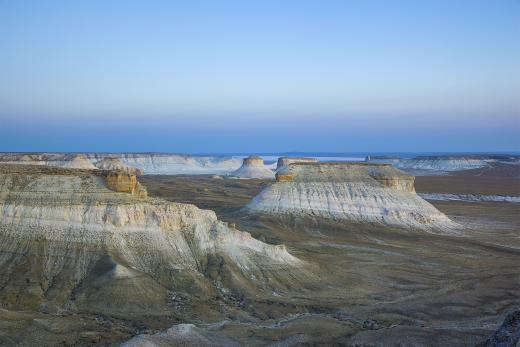
One of the most important goals for Uzbekistan is to establish a system of protected areas that includes all types of ecosystems present in the country, including deserts and dryland grasslands, where Jeyran naturally occurs.
In accordance with these goals, two protected areas, the "Markaziy Kyzylkum" NatiPresident ‘e Park and the "Oktog-Tomdi" state reserve, covering 1,200,000 and 40,000 hectares, respectively, were established in Tomdi district, following the President‘s decision "On measures to establish protected natural areas within the system of the State Committee for Ecology and Environmental Protection of the Republic of Uzbekistan" dated February 16, 2022, No. 131, reaching 11,2% protected natural areas in the country.
The "Markaziy Kyzylkum" National Nature Park protects the Kyzylkum desert's unique natural complex and ecosystems, which are home to a diverse range of animals and plants, including 36 animal species listed in the Republic of Uzbekistan's "Red Book." The "Markaziy Kyzylkum" national nature park is also a popular ecotourism destination.
Furthermore, another important objective of establishing special protected areas is to preserve natural ecosystems, which positively affect local climate, prevent desertification, and reduce air pollution. Various scientific and practical activities are being carried out to attract visitors to this area, raising awareness of the desert’s nature and its charismatic inhabitants, such as Saiga and Jeyran.
Various ecological projects are also being planned to improve scientific research in the new specially protected areas and increase the number of plant and animal species naturally occurring there. For example, the scientific project "Impact of Establishing a Jeyran Nursery in Central Kyzylkum" aims to increase the number of animals in the wild and study their behaviour. In the frame of this project, a captive-breeding facility to establish a Jeyran herd in a semi-captive environment in natural conditions will be built.
The establishment of the new protected areas and of the breeding centre will contribute to the efforts of Uzbekistan to safeguard its nature for future generations.
List of references.
Decision PQ-131 of February 16, 2022, of the President of the Republic of Uzbekistan "On measures to establish protected natural areas within the system of the State Committee for Ecology and Environmental Protection of the Republic of Uzbekistan".
H. Lingen: Großes Lexikon der Tiere. Lingen, Cologne 1975, 1989; Grünwald, Greil 1989, ISBN 3-89430-152-X.
"Role of mass-kill hunting strategies in the extirpation of Persian gazelle (Gazella subgutturosa) in the northern Levant".
"The Red Book of the Republic of Uzbekistan, Volume 2, 2019".
"Wüstendrachen: Gazellen-Jagd endete in Massenschlachtung".
Self-reliance. The first volume. Tashkent, 2000
Gallery images