Midterm Review of the Central Asian Mammals Initiative (CAMI)
Bonn, 27 April 2018 - Range State representatives, scientists and conservation experts met last week at the International Academy for Nature Conservation on the German Isle of Vilm to review the implementation of the CMS Central Asian Mammals Initiative (CAMI), to discuss challenges and strategy for further action.
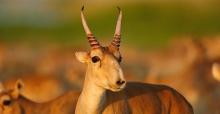
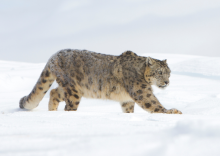
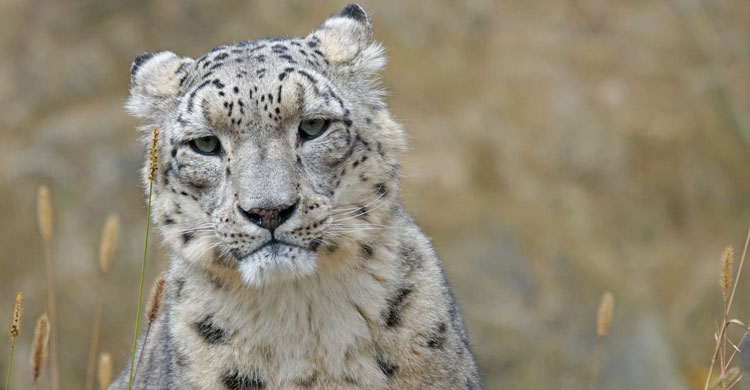
CAMI was created under the aegis of CMS as a framework for regional conservation action. The Programme of Work (POW) for the initiative provides a set of agreed activities to conserve 15 species of large mammals, such as the Snow Leopard, Marco Polo Sheep, Khulan, Wild Camel, Przewalsk’is Horse, the charismatic Saiga Antelope and others. It was adopted by CMS Parties at the 11th meeting of its Conference of Parties (COP11) in 2014.
The Governments of India, the Islamic Republic of Iran, Kazakhstan, Kyrgyzstan, Mongolia and Uzbekistan reported on measures they have taken since 2014 to reduce barriers to migration, to combat poaching, to establish protected areas and to conduct scientific research. Additionally, scientists from China, the Russian Federation and Turkmenistan reported on the conservation status and measures to safeguard CAMI species in their countries.
Workshop participants agreed that it is necessary to further strengthen trans-boundary conservation efforts and that CMS can play a major role to facilitate this process. Border fences, poaching and scientific research in trans-boundary areas were among key topics to be addressed in the near future.
“Facilitating trans-boundary cooperation is the strength of CMS and is crucial to safeguard populations of migratory mammals. Fostering this cooperation amongst countries for the benefit of wildlife across the region will be the focus of CAMI in the years to come,”
Bradnee Chambers, CMS Executive Secretary
Over the past years, CMS through CAMI and its implementing partners has intensively worked on helping Range States to reduce barriers to animal migration. Fences, roads and railways are a significant barrier for Saiga, Mongolian Gazelles, Khulan, Argali and other animals that move in search of food and water, as they follow seasonally changing rainfall and vegetation patterns. Maintaining such movements is crucial for the survival of these animals. Activities to raise awareness on threats and instruments to address them has also been a major part of the Secretariat’s work under CAMI since 2014.
The meeting produced an overview of the implementation of the CAMI POW, updated information on the conservation status of CAMI species and agreed on further coordinated action until CMS COP13. The meeting took place on 16 – 19 April 2018 and was made possible through the generous support of the German Federal Ministry of the Environment, Nature Conservation and Nuclear Safety (BMU) and was organized by the CMS Secretariat in cooperation with the German Federal Agency for Nature Conservation (BfN).
Gallery images