Advancing Connectivity Conservation in Central Asia
Author: Aaron Laur, CLLC
Landscapes and seascapes around the world are being increasingly fragmented, degraded, and changed. Migratory species are among the most vulnerable to these impacts as they depend on networks of well-functioning natural areas throughout their life cycles. This was pointed out in the first-ever State of the World’s Migratory Species report, which identified habitat destruction, degradation, and fragmentation, along overexploitation, as main threats leading to the decline of migratory species populations globally. Now, with new and renewed commitments, countries are increasing focus and activities to safeguard ecological connectivity within and beyond their borders.
The CMS Secretariat has been facilitating activities of CMS Parties to address obstacles to migration for many years. In Central Asia, these include workshops to enhance cross-sectoral cooperation, on-the-ground projects and preparation of guidance materials, such as “Guidelines for Addressing the Impact of Linear Infrastructure on Large Migratory Mammals in Central Asia” and the Central Asian Mammals Migration and Linear Infrastructure Atlas.
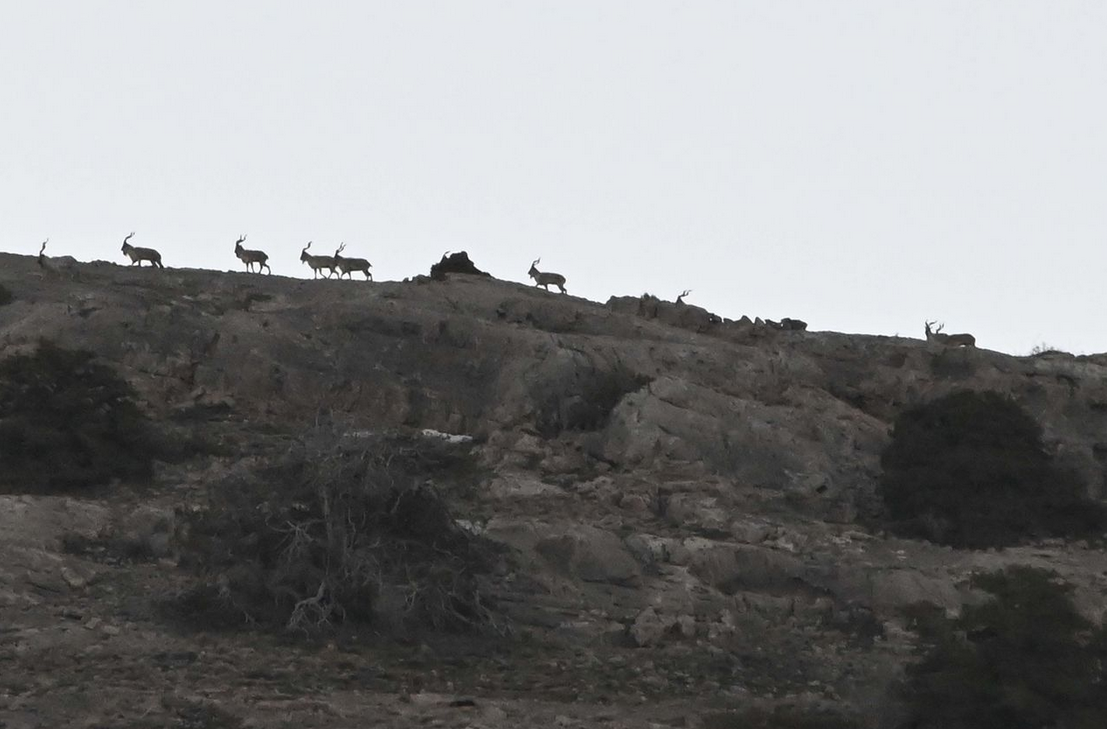
More recently, the Global Partnership on Ecological Connectivity (GPEC) under the lead of the CMS Secretariat was launched on the margins of the 14th Meeting of the Conference of the Parties to CMS (COP14) as a multistakeholder network with the vision to maintain, enhance, and restore ecological connectivity. The Partnership was joined by several organizations, including the Center for Large Landscape Conservation (CLLC). The CLLC is an NGO based in Bozeman, Montana (USA), that is devoted to advancing and enabling the science, policy, and practice of ecological connectivity conservation. Its work acknowledges that achieving large-scale conservation goals requires joint efforts among the scientific community, governmental agencies, businesses and other stakeholders. With a goal of strengthening planning, governance, and management of connectivity within and across borders, especially advancing joint application of IUCN Guidelines for Conserving Connectivity and existing guidance under CMS, CLLC has been increasing its engagement with partners in Central Asia. A project titled “Improving Capacity and Connectivity between Reserves in Turkmenistan and Uzbekistan” sponsored by the Critical Ecosystem Partnership Fund (CEPF) started in 2021 and is focused on the Koytendag State Nature Reserve (SNR) in Turkmenistan and the Surkhan State Nature Reserve (SNR) in Uzbekistan. This area, also referred to as part of the Mountain Ecosystems of Koytendag (MEK), is a unique and biodiverse landscape, especially important for storing and releasing water. Rising from caves to hot plains, through diverse forests and to snow-capped mountains, it is home to small towns and communities, as well as cultural and sacred sites. Additionally, it is a crucial habitat for vulnerable and endangered wildlife like urial, lynx, and markhor, which are increasingly in danger due to agricultural expansion, overgrazing, illegal hunting, and uncontrolled tourism. This area has been identified as one of the transboundary conservation areas of importance for CAMI species in a CMS study "Mapping Transboundary Conservation Hotspots for the Central Asian Mammals Initiative".
In previous activities, CLLC’s team brought together national and international experts to undertake field missions and hold a connectivity planning meeting in Turkmenistan in April 2023. This included evaluating the presence of important species, increasing monitoring and data-gathering efforts by scientific staff and rangers, and acquiring a better understanding of habitat connectivity in the area. Now the growing team across Turkmenistan, Uzbekistan, and the United States looks forward to learning from each other for improving management of these contiguous reserves and surrounding buffer zones and grazing areas, achieving listing of Koytendag SNR and Surkhan SNR as a UNESCO Transboundary World Heritage Site, and informing long-term, durable conservation of the surrounding landscape.
CLLC’s team will further support more consistent capacity-building of reserve personnel on both sides of the border to improve biodiversity-related information and adaptive management. This will include training in the use of tailored Spatial Monitoring and Reporting Tools (SMART), preparation of natural resource and wildlife surveys for focal species, such as urial, lynx, and markhor, and enhancing local communities’ understanding of protecting wildlife and reducing wildlife-livestock conflict. A connectivity planning workshop, following the approach taken in 2023, will also be held in Uzbekistan in 2024 to advance ecological network and corridor planning that better meets the needs of wildlife and local communities across these special ecosystems.
In addition, CLLC is currently developing guidance on behalf of the CMS Secretariat, which can support CMS Parties in planning more effective and connected ecological networks with a case study focused on Koytendag and Surkhan SNRs.
Similar Content

Nature Knows no Borders: Uzbekistan and Kazakhstan Commit to Jointly Protecting Wildlife of the Ustyurt Plateau