CMS highlights ecological connectivity and regional cooperation at the 8th GEF Assembly in Samarkand
Wildlife does not stop at borders, and neither can conservation. This was the central idea behind the participation of the Secretariat of the Convention on the Conservation of Migratory Species of Wild Animals (CMS) in the 8th Assembly of the Global Environment Facility (GEF), held in Samarkand, Uzbekistan, from 3 to 6 June 2026.
Through three side events, CMS and its partners highlighted how connected landscapes can support wildlife, people and climate resilience across Central Asia. The events looked at practical ways to keep migration routes open, support wildlife-friendly livelihoods and bring regional cooperation into future GEF investments.
Regional cooperation for ecological connectivity
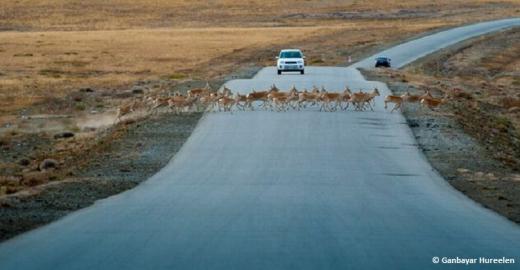
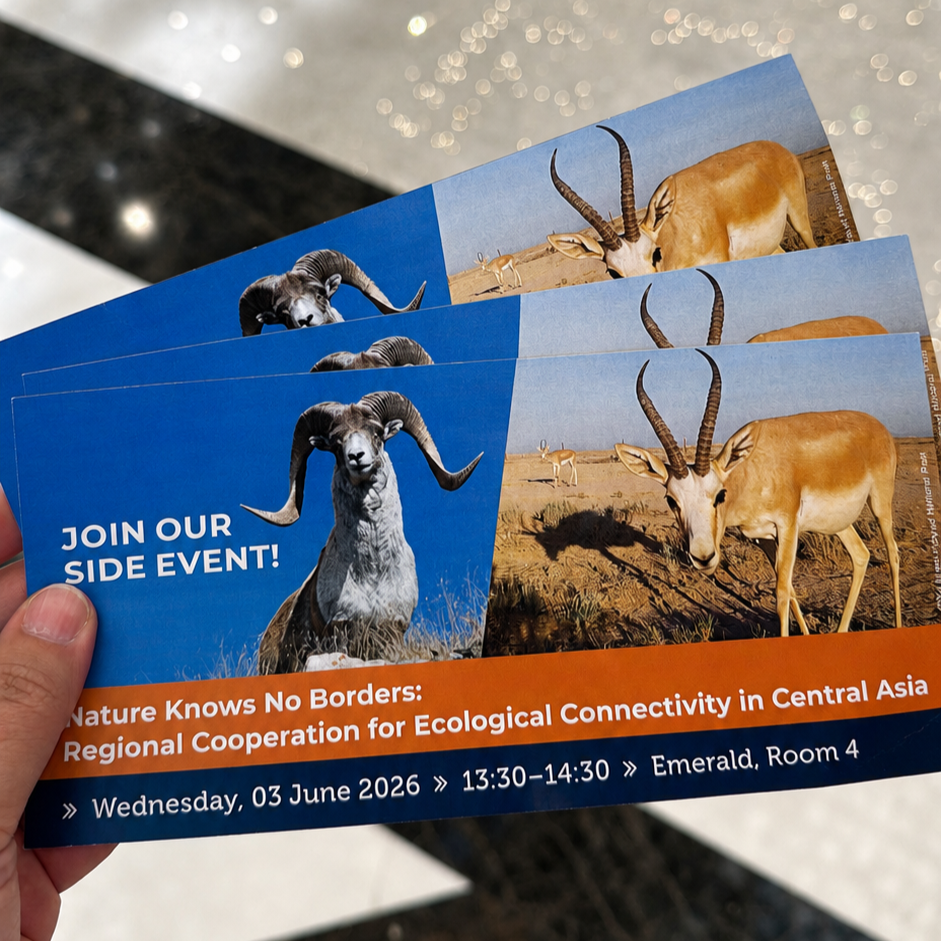
On 3 June, CMS and the Michael Succow Foundation organized the side event Nature Knows No Borders: Regional Cooperation for Ecological Connectivity in Central Asia. Central Asia is developing rapidly, including through new transport, linear and energy infrastructure. While this development is important, it can also divide habitats and make it harder for migratory animals to move across the landscapes they depend on.
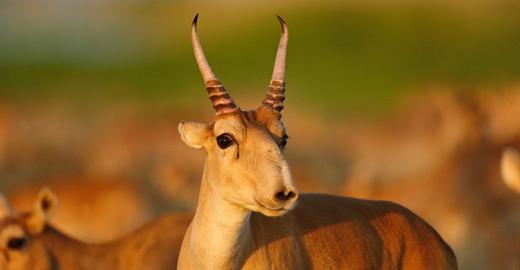
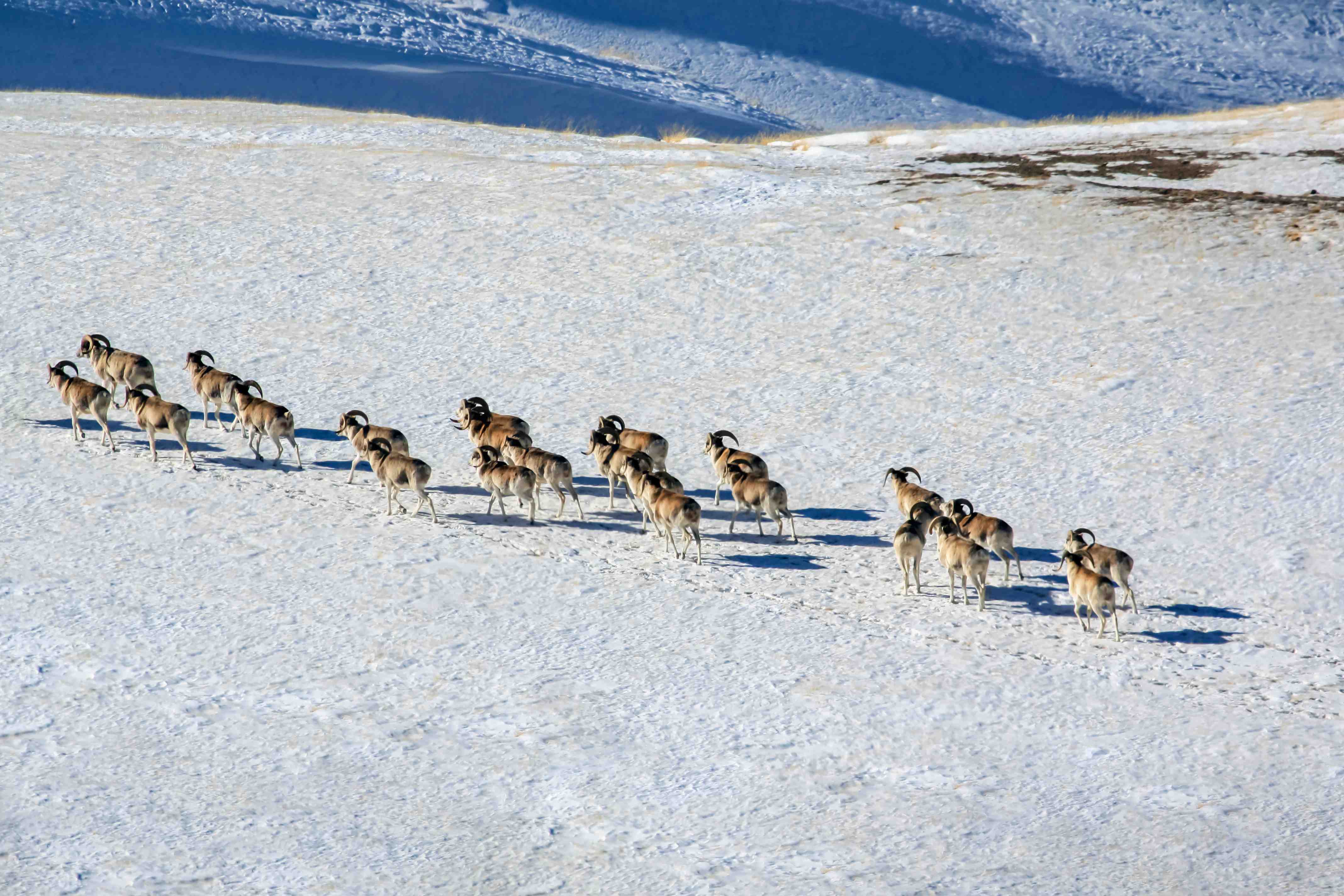
For species such as snow leopard, argali and saiga antelope, keeping habitats connected is essential for survival, especially as climate change adds further pressure.
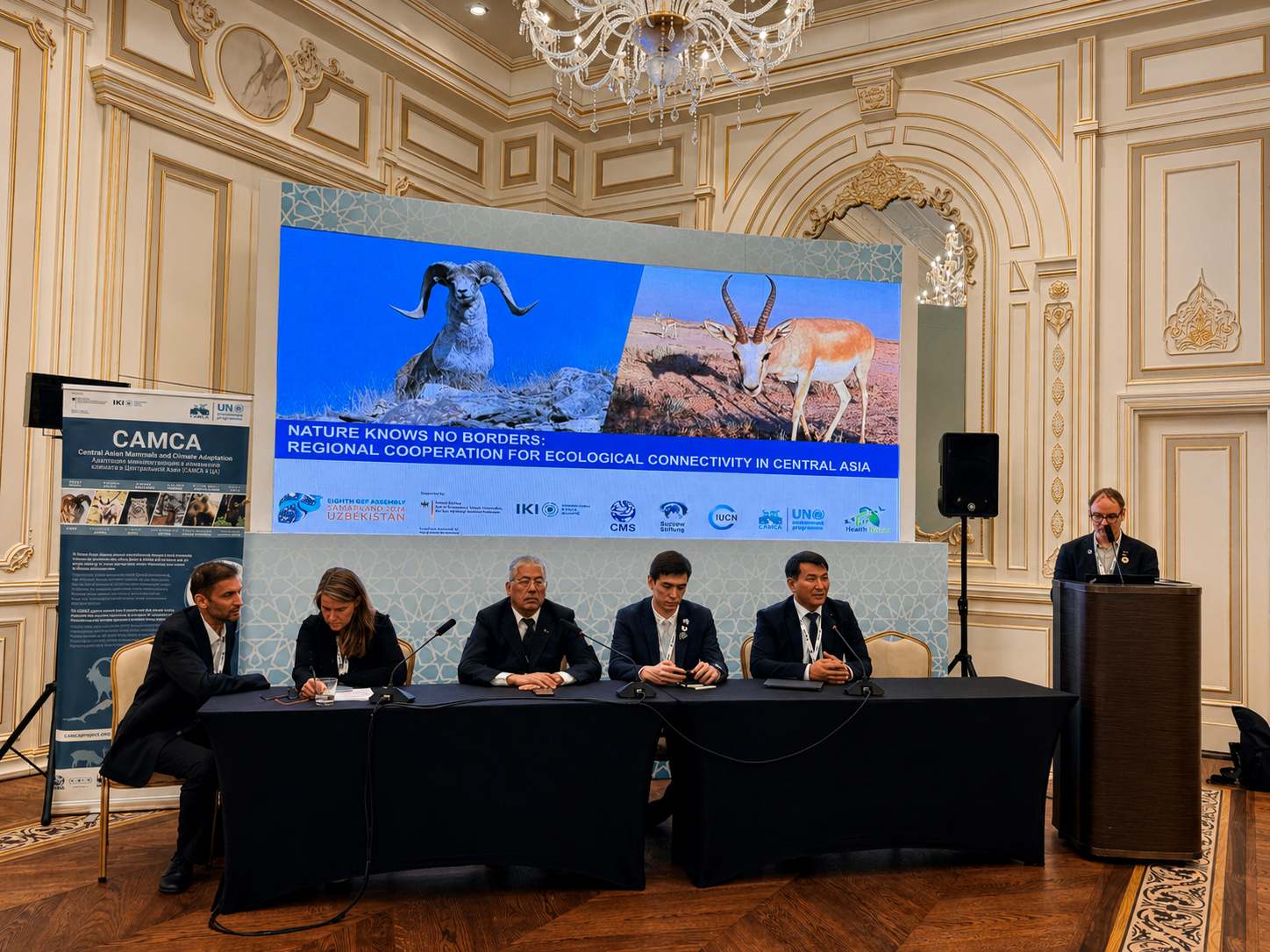
The event showed how the CMS Central Asian Mammals Initiative (CAMI) is helping countries work together on these shared challenges. The recently revised CAMI Programme of Work introduced Priority Transboundary Conservation Regions across 14 Range States, creating an area-based approach for coordinated conservation action for 18 species.
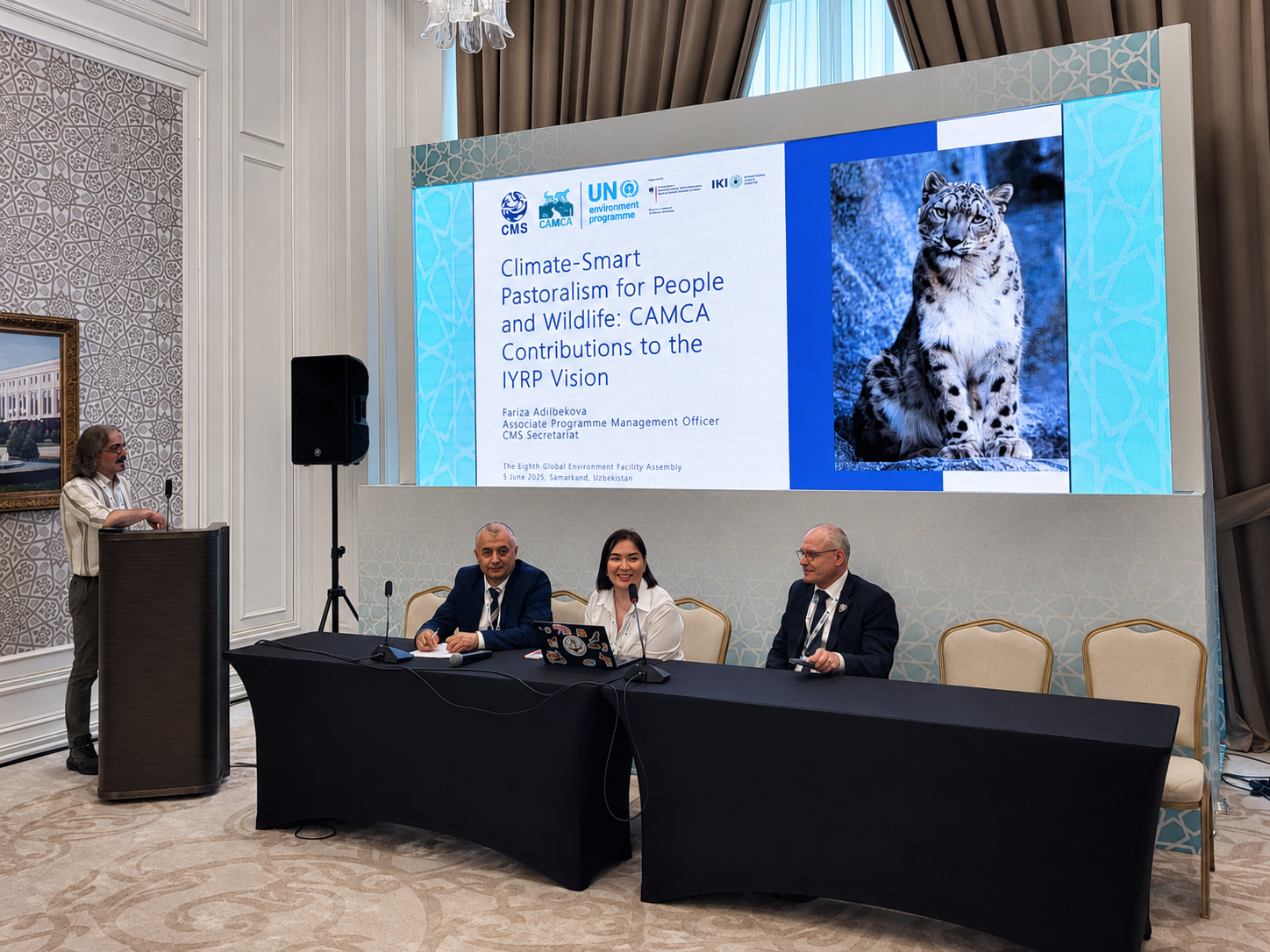
Participants also heard examples from the Central Asian Mammals and Climate Adaptation (CAMCA) project, including work on climate-smart ecological corridors, land-use planning and community engagement. In her intervention, Fariza Adilbekova, Associate Programme Management Officer at the CMS Secretariat, further presented how tools such as the Central Asian Mammals Migration and Linear Infrastructure Atlas can serve as practical resources to help plan infrastructure in ways that are safer for wildlife.
The Ustyurt Plateau was highlighted as an important example of cooperation across borders. The Memorandum of Cooperation for wildlife conservation, signed during CMS COP14 in Samarkand, and its Roadmap for 2025-2030 are helping guide joint action in the region.
During the panel discussion, representatives from Central Asian countries, the GEF Secretariat and partners explored how existing frameworks such as CAMI, CAMCA and the Ustyurt Memorandum can feed into future GEF-funded projects and national investment plans. The GEF Secretariat encouraged Central Asian countries to join the Global Wildlife Program, noting that it could open opportunities for funding and technical support for ecological connectivity
A regional vision for big cats and resilient landscapes
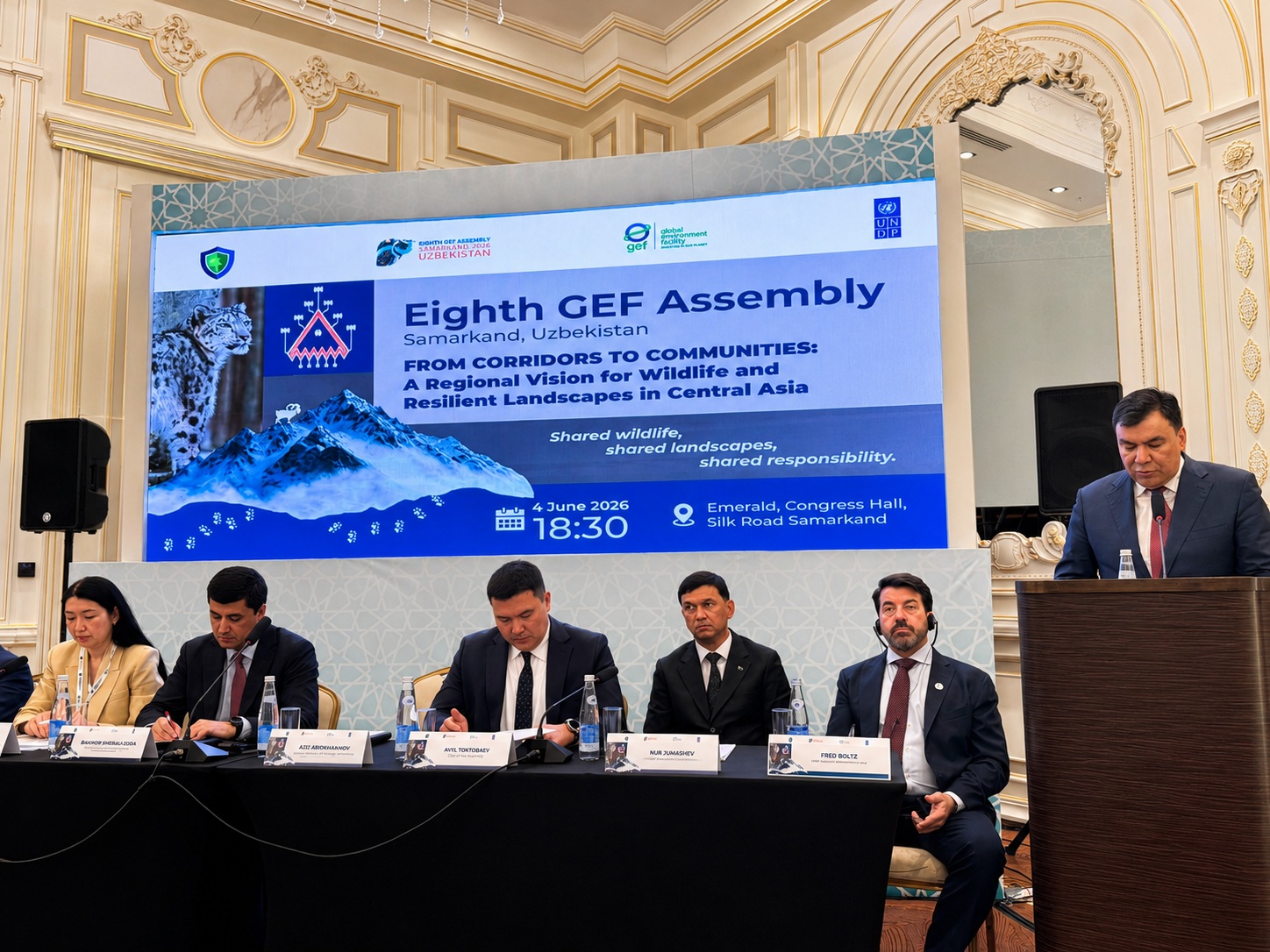
On 4 June, CMS contributed to the side event From Corridors to Communities: A Regional Vision for Wildlife and Resilient Landscapes in Central Asia, focused on new GEF-9 biodiversity investments for big cats.
The event was organized by the National Committee on Ecology and Climate Change of the Republic of Uzbekistan, together with environmental ministries of Central Asian countries and UNDP Uzbekistan. It presented a new set of investments being developed by Central Asian states and UNDP to strengthen wildlife conservation, support community stewardship and promote wildlife-compatible economies in the mountains of Central Asia biodiversity hotspot.
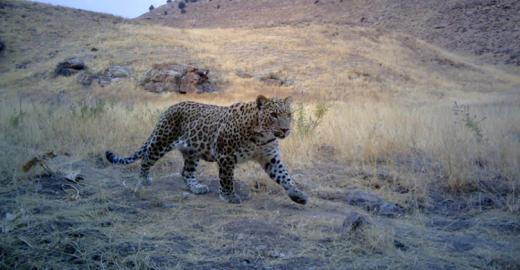
The project region is home to three big cat species covered under CMS: Snow Leopard and Asiatic Cheetah, both listed on CMS Appendix I, and Persian Leopard, listed on CMS Appendix II. These species depend on large, connected landscapes, which makes the project closely linked to CMS work on ecological connectivity and CAMI’s area-based approach.
Relevant Priority Transboundary Conservation Regions include Western and Southern Ustyurt, an important habitat for the Persian Leopard, and Western Tian-Shan, an important habitat for the Snow Leopard. By bringing national investments together around shared landscapes, the initiative offers a chance to turn ecological connectivity into practical action at landscape scale.
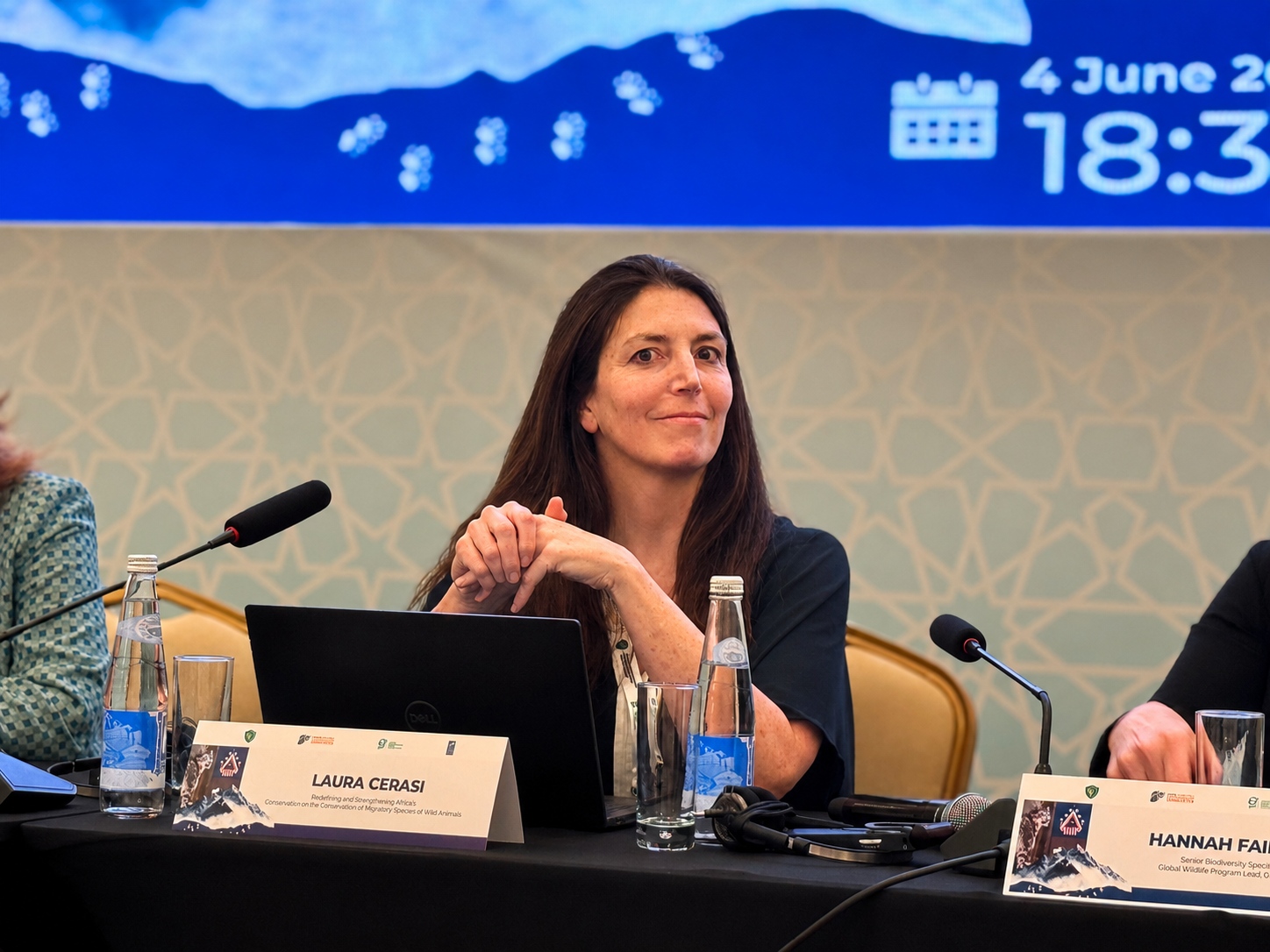
In her intervention, CMS representative Laura Cerasi emphasized that the project does not need to start from scratch. It can build on CAMI, existing scientific knowledge and partnerships already in place. She also noted that the project can support countries in meeting their commitments under CMS, while also contributing to the Convention on Biological Diversity and the Kunming-Montreal Global Biodiversity Framework.
Rangelands, pastoralists and migratory species
On 5 June, CMS joined the Yolda Initiative and the Global Alliance for Rangelands and Pastoralists to organize Mobilizing Coordinated Action for Rangelands and Pastoralists Under IYRP 2026: From Mandate to Implementation.
The event focused on the International Year of Rangelands and Pastoralists 2026 as an opportunity to give greater attention to rangelands and the people who manage them. Rangelands are home to many migratory species, and sustainable pastoralism can play an important role in keeping these landscapes healthy and connected.
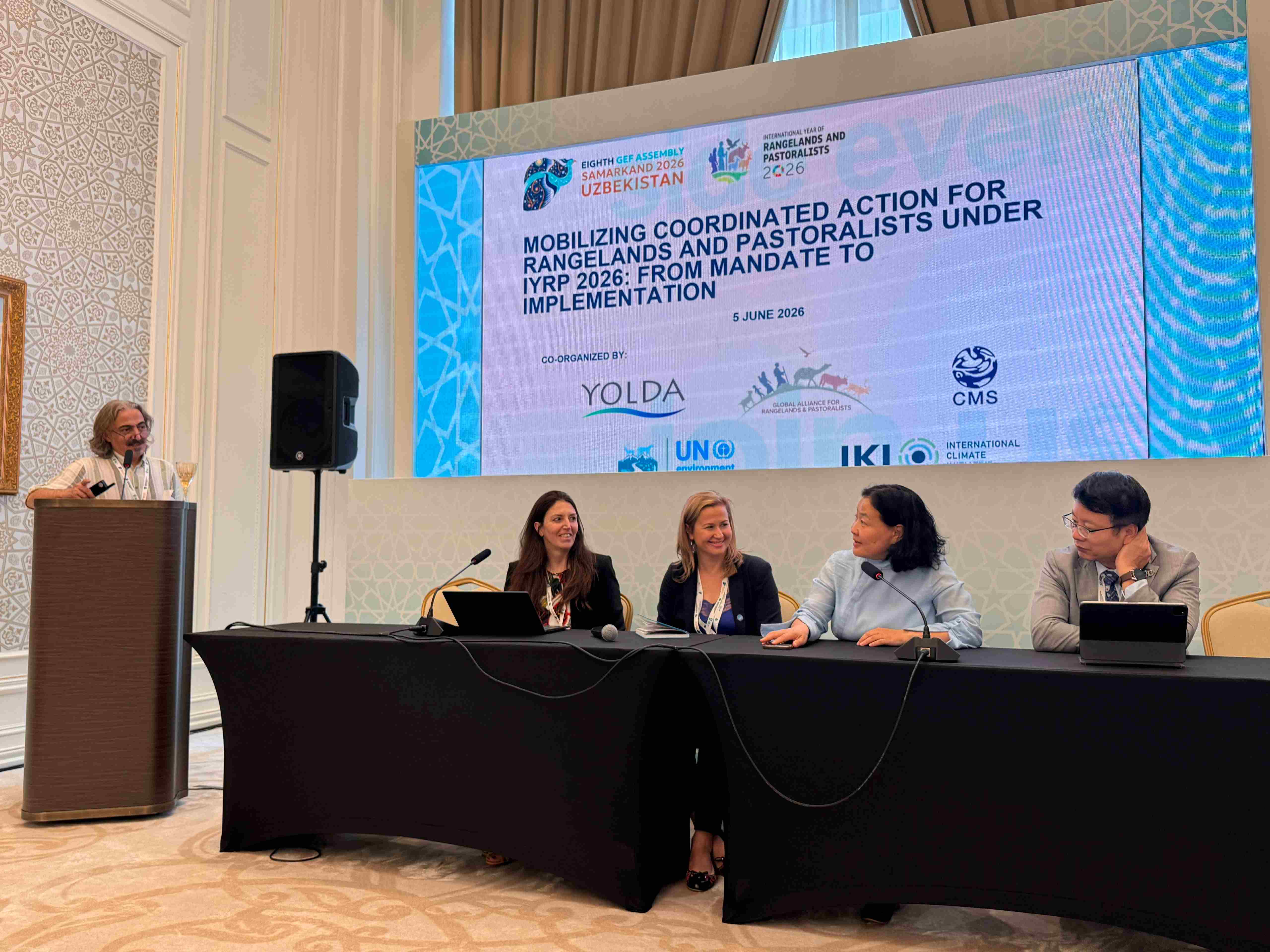
Speakers discussed how governments, international organizations and partners can better align policies, programmes and financing for rangelands and pastoralists. The discussion also showed how sustainable rangeland management connects with several GEF priorities, including biodiversity conservation, climate adaptation and land degradation neutrality.
CMS shared examples from the CAMCA project, which show how wildlife-friendly grazing, climate-smart pasture management and ecological connectivity can support both pastoral livelihoods and migratory species conservation. The Government of Mongolia, host of UNCCD COP17 and proponent of the International Year of Rangelands and Pastoralists, also highlighted the importance of ecological connectivity in this context.
Turning regional commitments into action
Taken together, the three side events showed how CMS work in Central Asia is helping connect global goals with practical action on the ground. Whether the focus is migratory mammals, including big cats, rangelands or infrastructure planning, the same lesson applies: conservation works better when landscapes remain connected and countries work together.
Through CAMI, CAMCA, the Ustyurt Memorandum of Cooperation and partnerships across the region, CMS will continue supporting countries in turning shared commitments into action for migratory species and the habitats they need to survive.